
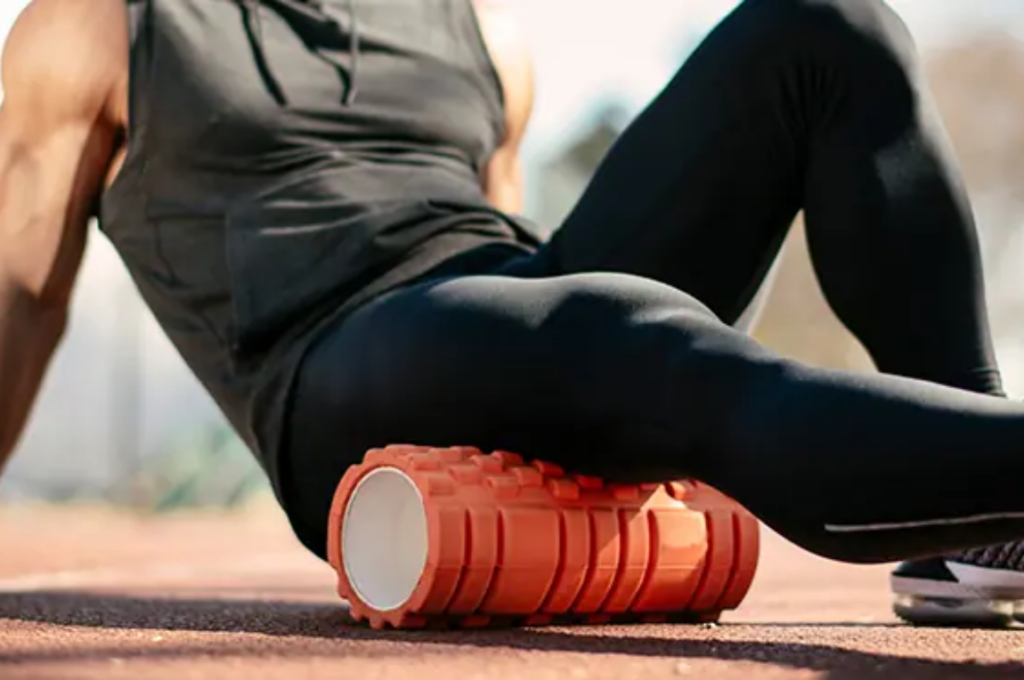
Golf fitness pursuits must include more than getting bigger, stronger, and faster. It also must include recovering from those pursuits so you can take your golf fitness improvements to the course. Foam rolling has become all the rage as a tool to help you do just that.
Does foam rolling work? Is it a worthwhile investment of your time for the results you’ll get? In other words, is the juice worth the squeeze? Let’s first discuss what it is and how to do it and then dive into its value as a golf fitness tool.
What is Foam Rolling and How to do it
Foam rolling is basically a not-so-relaxing form of do-it-yourself massage with the goal of creating myofascial release. Fascia is the connective tissue surrounding your muscles. In theory, if you can elongate and soften fascia, you’ll in turn relieve pain, improve mobility, and enhance blood flow and recovery. Put simply, you’ll be more mobile and less sore.
Foam rollers of all sizes are all over places like Dick’s Sporting Goods. Once you’ve got yours, the key is to move slowly and deliberately across major muscle groups like your back, thighs, and calves. If you’re going about it like a rolling pin to a fresh batch of cookies, you’re doing it wrong. (And lay off the cookies anyway!) Slow and deliberate allows you to focus on problem areas, so stick to a 1-2 inch per second pace and stop and hold the pressure on knots and problem areas for 20-30 seconds until it improves. You’ll use your arms and legs to manage just how much pressure you can tolerate and apply.
A word of caution: avoid your joints. You’re releasing tension in your muscles. Foam rolling your joints is a recipe for bruising and even potential injury. Causing injury is the opposite of an effective golf fitness routine, so don’t do it. Moving on…
When to Foam Roll
Foam rolling is often touted as a recovery tool, best used post-exercise or post-round to speed up your ability to bounce back. (It bears repeating: the ultimate recovery tool is sleep, so focus on quality and quantity of sleep first and foremost.) Others will use foam rolling as a warmup tool, wherein the priority is on loosening up the muscles and ramping up blood flow.
Does Foam Rolling Work for Golf Fitness?
Whether you choose to foam roll before or after your golf fitness endeavors, one thing is clear: foam rolling works. In one study from the Journal of Strength and Conditioning Research, subjects used foam rolling as a warmup tool and targeted their quadriceps. While there were no reported gains in muscle power, range of motion (there’s that mobility thing again) increased significantly at the knee joint.
In another study found in Medicine & Science in Sports & Exercise, 20 subjects followed a training protocol of back squats, with 10 of these 20 also performing a 20-minute foam rolling routine after their squat workout. Lo and behold, the foam rolling group saw reduced muscle soreness and improved range of motion.
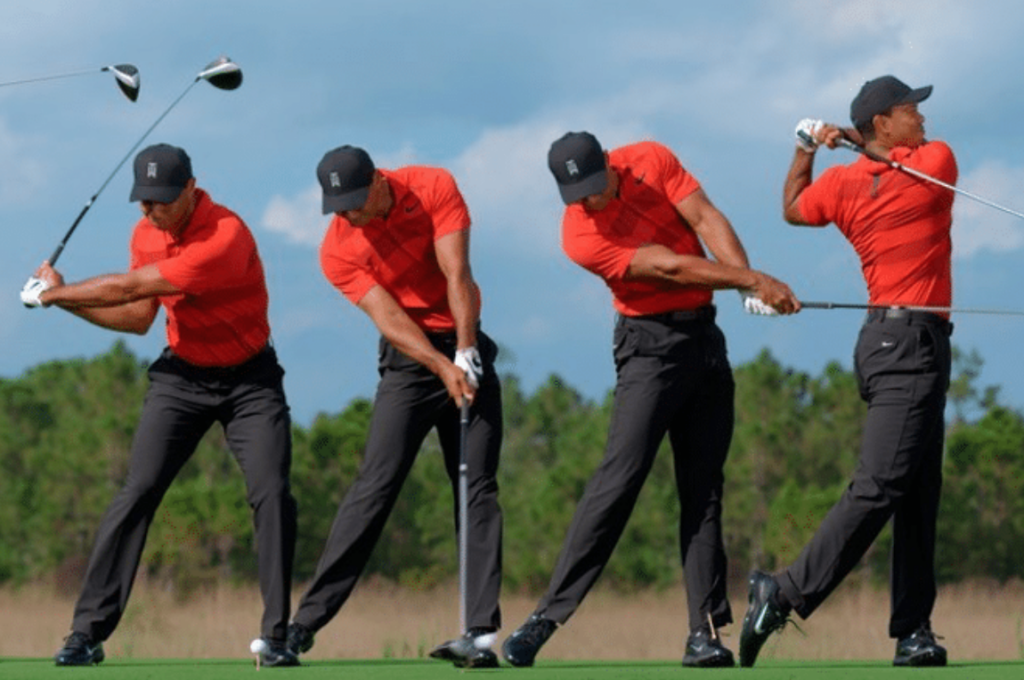
As we’ve said several times over, mobility is crucial to the golf swing. It’s the ability to apply force to the club through an effective range of motion, and the more of it you have the more potential for power and speed you’ll have as well. Foam rolling is another tool available to you to help develop more mobility. It’s effective both before and after your golf fitness activities. If you can, do both. It’s not the most pleasant activity, but your body will thank you for it. What’s more, the improvements in mobility may very well lead to lower scores on the golf course, and that will make that little bit of unpleasantness feel more than worth it.