
Few clubs can get inside a golfer’s head quite like a putter. You can hit a beautiful drive, find the green with your approach and still walk off with a bogey because three putts turned a good hole into a frustrating one. Then comes the familiar thought: maybe it is time for a new putter.
The challenge is working out whether the problem is the club, the stroke, the read or a little of everything. Golfers have more options than ever, from traditional blades and mallets to counterbalanced designs, arm-lock setups and the growing number of zero-torque putters promising to help keep the face stable through the stroke.
For our Life At The Turn community gear survey, golfers shared what they play, what they like and what they would change. The feedback covered L.A.B. Golf, Odyssey, TaylorMade, COBRA, Scotty Cameron, PXG, Bettinardi, PING and Wilson, along with some very different approaches to putting.
For this putters buyers guide the most useful takeaway was not that one putter had all the answers. It was how personal the decision remains. Alignment, feel, pace control, confidence and price all came up, sometimes in the same review. If you are thinking about changing your flatstick, those are the things worth paying attention to.
L.A.B. Golf and the zero-torque conversation
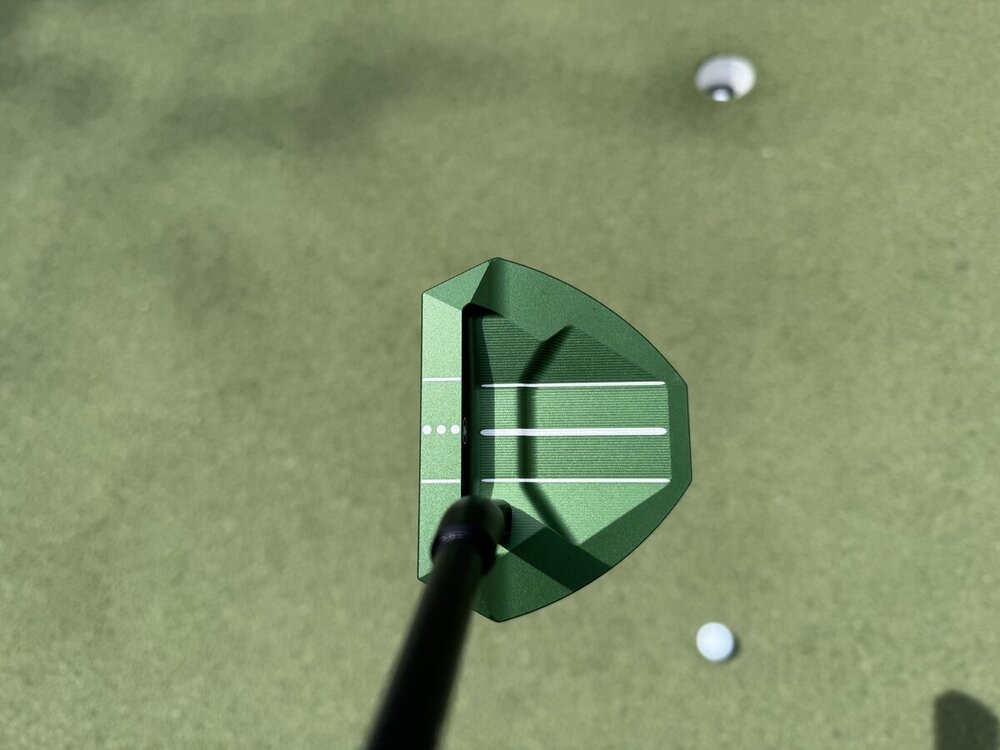
L.A.B. Golf was one of the most prominent names in the putter feedback, with golfers discussing the DF3, OZ.1i and arm-lock options. The comments were positive about several aspects of performance, but they also raised questions about price, feel and distance control.
One golfer who owns an L.A.B. DF3 with a TPT shaft praised its “Accuracy and precision, particularly within 6 feet.” They also highlighted the aiming characteristics and described the aftermarket shaft’s feedback and distance control as exceptional. The biggest drawback was cost, especially as putter-specific shaft options add to an already premium purchase.
Their advice was straightforward: “The reality is that they all make good clubs now. So, get fit.” They also pointed out that golfers often spend time getting fitted for drivers and irons but rarely give their putter the same attention.
Another DF3 owner praised its “Forgiveness, ease of use, feel, feedback, quality, confidence” and recommended it to golfers across handicap levels who want a premium zero-torque design. Price was their main criticism.
The feedback on the L.A.B. OZ.1i was more mixed in the details. One golfer who tested the high-stability model praised its alignment and consistent roll, but wanted better distance control. An owner of an OZ.1i Armlock highlighted accuracy, while recognising that the arm-lock configuration is a specific style of putting rather than a universal solution.
These comments give a more useful picture than simply calling L.A.B. a good or bad putter. Golfers are responding to its approach to face stability and alignment, but they still need to become comfortable with speed, feel and the setup itself. A putter can help you start the ball on line, but it cannot read the green for you or automatically deliver the right pace.
If L.A.B. is on your shortlist, spend time with the model you are actually considering. The DF3, OZ.1i and arm-lock versions are not interchangeable experiences. The shape, setup and stroke style all deserve attention before making a significant investment.
Odyssey: familiar designs still have plenty to offer
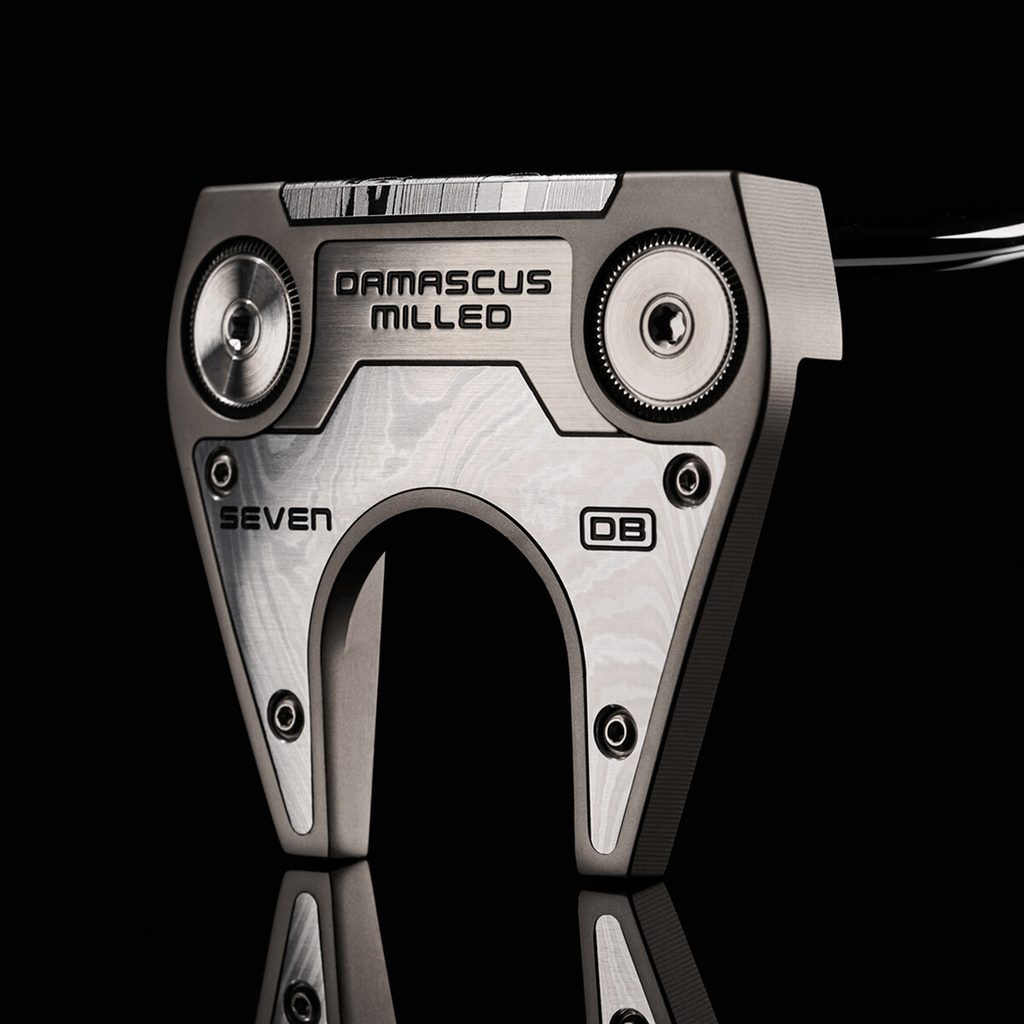
Odyssey featured in the survey through several designs, including the Ai-ONE Jailbird Mini and older White Hot models. The feedback showed that a familiar putter shape can still be a strong choice when it matches the golfer’s eye and stroke.
One golfer using the Odyssey Ai-ONE Jailbird Mini CH praised its head shape, saying it made it much easier to line up putts and keep them on line. That was the main strength for them, but they also identified a limitation: the feel towards the outer edges of the insert. They felt that small misses away from the centre could cause putts to finish off line.
The same golfer recommended it to players with an arc in their putting stroke and suggested several alternatives worth exploring, including the Vice ZT lineup, TaylorMade Spider ZT, Spider Tour X with a plumber’s-neck hosel and Odyssey’s Tri-Hot Square 2 Square Jailbird Mini.
That is an interesting set of comparisons because it highlights how much the hosel and overall configuration matter. Two putters may share a broad head shape while presenting the shaft and face differently. Those differences can affect how the club sits, looks and feels through your stroke.
Older Odyssey models also appeared in the feedback. One golfer playing a White Hot RX 9 simply appreciated that it rolled the ball well. It is a reminder that a putter does not need the latest technology to do its job. If an older model gives you a clear picture at address and dependable results, there may be little reason to replace it just because a new version has arrived.
For golfers shopping the Odyssey range, the useful question is not which model is most talked about. It is which head shape and face feel give you the confidence to start the ball where you intend.
TaylorMade Spider: alignment and stability remain the draw
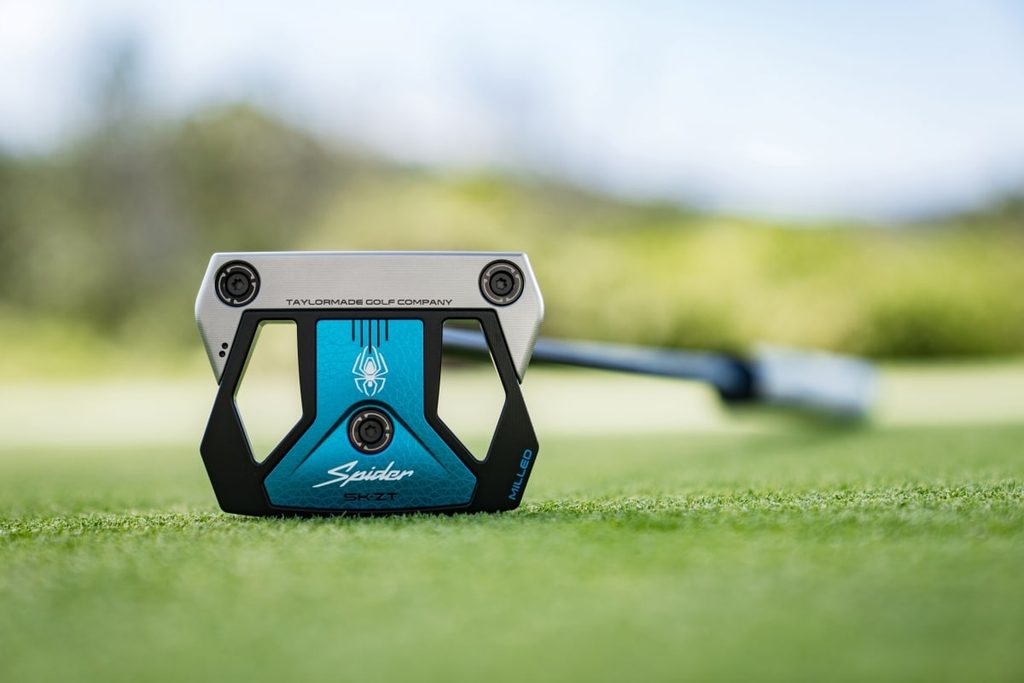
TaylorMade’s Spider family came up repeatedly, with golfers praising alignment, line-holding and face control. The range also appeared as a comparison point for other mallets and zero-torque designs.
One owner of a TaylorMade Spider Tour S Counterbalanced described its strengths as “Easy to align and face control consistency.” They recommended it to golfers whose putting stroke ranges from a slight arc to something closer to straight back and straight through. Their suggested improvement was not a performance change at all. They would like more custom colour options.
Another golfer using a TaylorMade Spider said it “holds line and easy to aim”, while wishing the design offered a zero-torque option. That comment captures an interesting shift in the putter market. Golfers who already like a mallet’s size and alignment features are increasingly looking at whether a different shaft and balance configuration could give them something more.
The Spider family covers different head shapes and hosel arrangements, so it is important to identify the exact model before drawing conclusions. A counterbalanced version, a traditional Spider and a zero-torque configuration can offer different experiences.
If you already putt well with a Spider, there is no automatic reason to move away from it. If you are struggling with alignment or face control, however, it may be worth comparing the model you own against other configurations rather than assuming every mallet will feel the same.
COBRA 3DP Tour Agera: speed, roll and a question of price
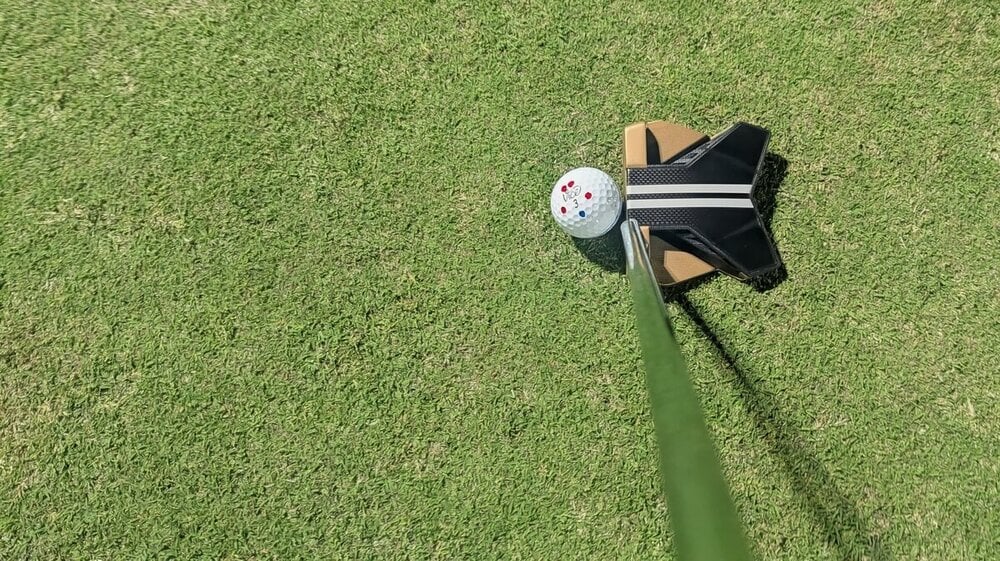
COBRA’s 3DP Tour Agera earned particularly positive feedback for its roll, speed and built-in alignment line.
One owner described its strengths as “Great Speed and Roll, with a very nice integrated aim line that helps with consistent aim.” They recommended it to golfers across ability levels, but highlighted two practical drawbacks: the price and the difficulty of finding one in a shop to try before buying.
That second point matters. Putters are personal, and an online description can only tell you so much. The head may look appealing in photographs, but you still need to see how it sits behind the ball, whether the alignment features work for your eye and whether the feel suits your preferences.
The 3D-printed construction is part of what makes the COBRA 3DP putter family distinctive. Yet a manufacturing story is only useful to a buyer if the finished product performs in a way they value. In this case, the owner’s comments focused on speed, roll and aiming rather than the construction itself.
For golfers curious about COBRA’s putters, the Agera is worth investigating if you like a larger mallet profile and clear alignment cues. Just make sure you can test it, or understand the return policy, before committing to a premium purchase.
Scotty Cameron, Bettinardi and PXG: feel is personal
Traditional premium putters have not disappeared from the conversation just because zero-torque designs are getting more attention.
Scotty Cameron models were mentioned in several recommendations, including the Phantom range and the Newport family. The survey also included golfers interested in the look and feel of traditional blade-style putters. These designs appeal to players who like a compact profile and a particular sense of feedback at impact, but price can be a barrier.
Bettinardi’s Inovai 6.0 also appeared. Its owner said it “Sinks putts for me” and liked the appearance, while wishing for more consistent speed on heel-side strikes. That is a useful example of a golfer being happy with the overall fit without claiming that every contact produces the same result.
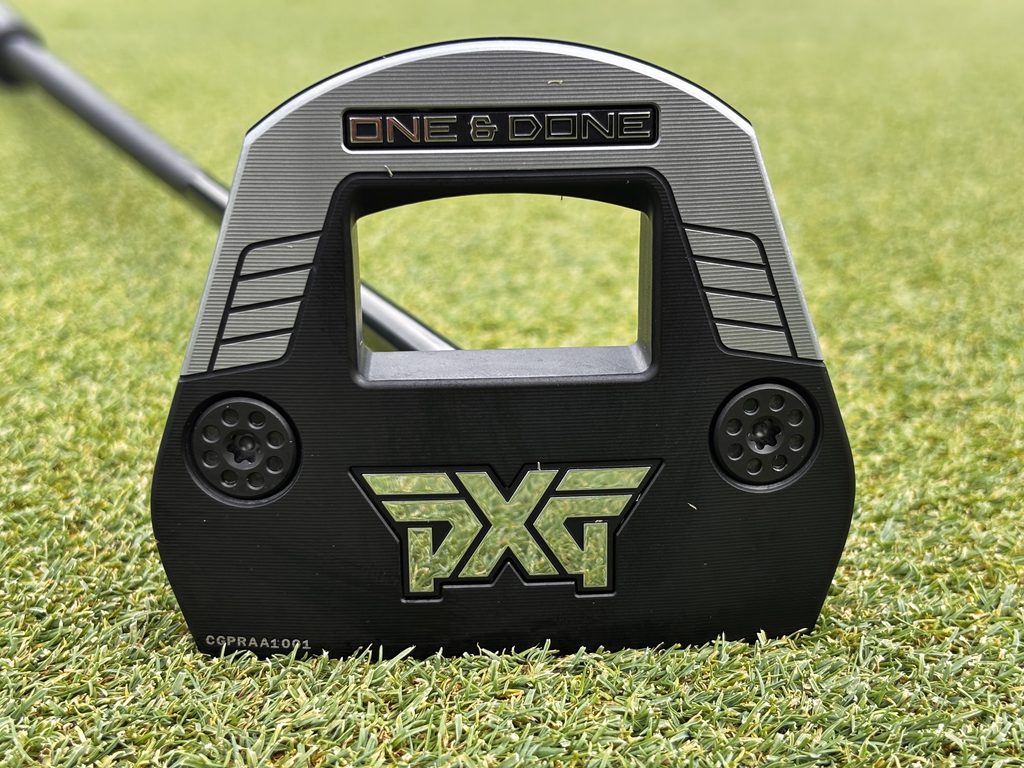
PXG’s Battle Ready Blackjack received praise for easy alignment, feel and consistent control and distance. Its owner liked the face-balanced mallet format and compared its general concept to the TaylorMade Spider. That makes it another option to consider for golfers who prefer a larger head and visual help with aiming.
None of these brands should be dismissed simply because another design is attracting attention. A putter’s reputation, finish or price does not guarantee that it will suit your stroke. The most expensive option in the shop may not be the one that gives you the clearest aim or the best pace control.
Is a budget putter enough?
Not every golfer wants to spend several hundred dollars on a putter, and the survey included examples of players finding value at lower prices.
One owner of the Wilson INFINITI “The L” paid around $100 and praised its looks and feel. They wanted better forgiveness and speed retention, but still recommended it to golfers looking for a budget-friendly option.
That is a reasonable trade-off to consider. If you are starting out, returning to golf or simply want a functional putter without a large investment, an affordable model can be a sensible place to begin. You can always explore a fitting or a more specialised design later if you identify a specific issue.
On the other hand, spending less is not automatically better value if the putter does not suit you. The right comparison is not just the price tag. It is whether the club helps you aim consistently, control speed and feel comfortable standing over short putts.
Before buying, try different head shapes if possible. A blade may suit one golfer’s eye, while a mallet makes another feel more confident. If you are curious about zero-torque or arm-lock designs, test them rather than assuming that a popular category will solve your putting problems.
Your next putter should solve a real problem
The community’s feedback makes one thing clear: there is no single putter that every golfer should own. L.A.B. Golf’s stability-focused designs appeal to players who value alignment and face control. Odyssey and TaylorMade offer familiar head shapes with a range of configurations. COBRA brings its own approach through the 3DP Tour Agera, while Scotty Cameron, Bettinardi, PXG, PING and Wilson all have options worth considering for different reasons.
Start by identifying what you want to improve. Do you struggle to aim? Is your pace inconsistent? Do you miss short putts because the face feels difficult to control, or are you simply uncomfortable with the shape behind the ball? A clearer answer makes it easier to compare putters with purpose.
Whenever possible, try a few models on the same putting surface. Pay attention to start line and distance control, not just whether one putt drops. A handful of successful putts is not proof that a new club has fixed your game, but a consistent sense of aim and speed is worth noticing.
Now we want to hear from you. What putter is in your bag, and what made you choose it? Have you moved to a zero-torque design, stayed loyal to a traditional blade or found that a budget putter works just as well for you?
Join the conversation in the Life At The Turn community and share your experience. Your next favourite putter might be one another golfer has been overlooking.